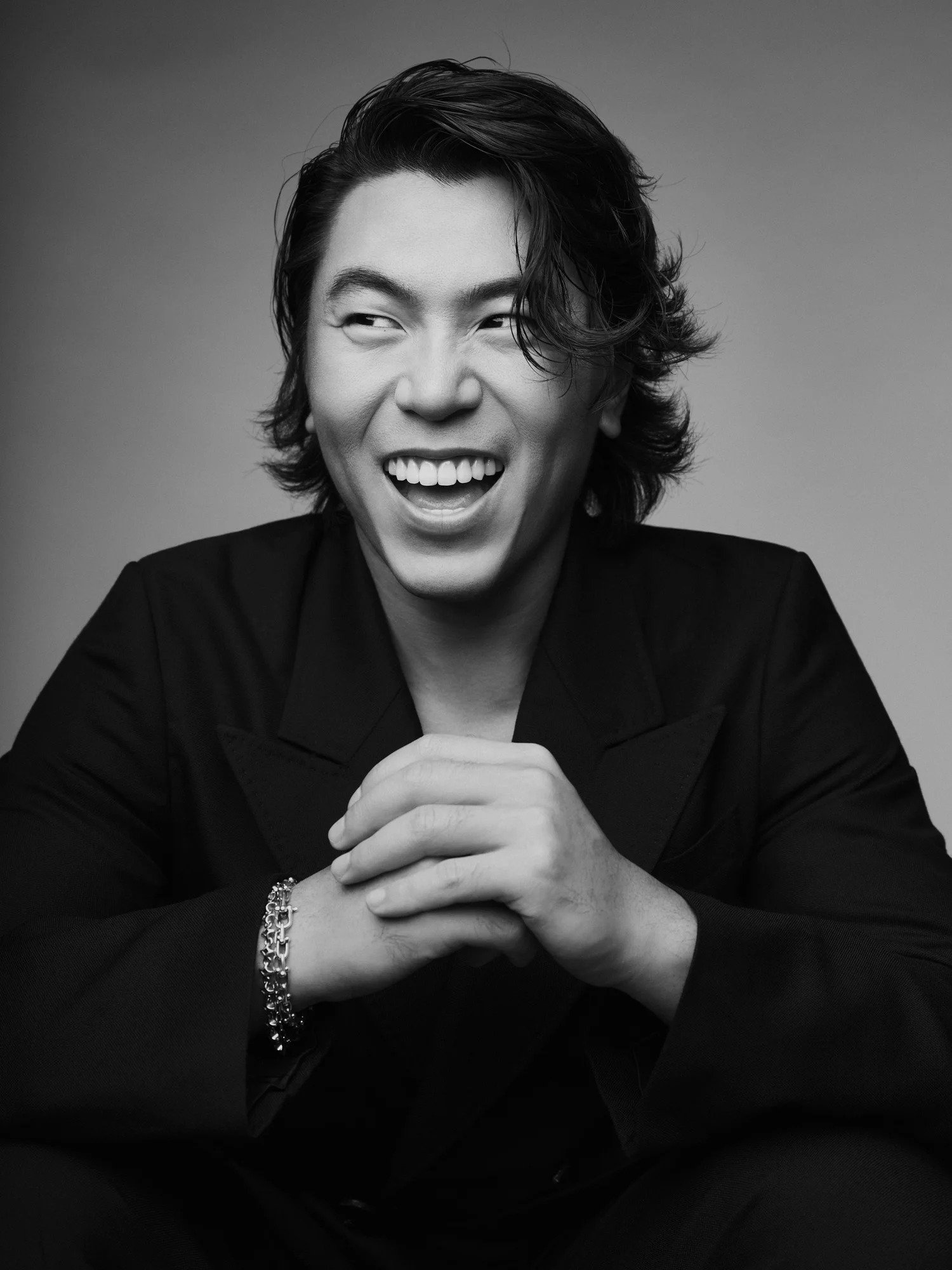
Most people sit down in front of my camera and start performing. They straighten up, fix a smile and turn slightly to one side, the way they've seen it done. It's a small performance, and it almost never looks like them. My job for the next twenty minutes is to talk them out of it.
These days, plenty of people skip the twenty minutes altogether. Upload a dozen selfies, pay the price of a takeaway, and an app sends back a hundred versions of you: better lit, better dressed, with a jawline you may not remember having.
So, should you use one?
Are AI headshots good enough for LinkedIn?
They're cheap and quick, and LinkedIn allows them as long as the photo looks like you. I understand the appeal. But that "as long as" is doing a lot of work, and "good enough" is the wrong test anyway. The real question is whether it does the job a headshot is for.
A tenth of a second
We size up a face in about a tenth of a second, including whether it looks trustworthy. Given longer to look, we rarely change our minds. We just feel more sure.
That's the world your headshot lives in. Nobody studies it. A client checking who's coming to the meeting, or a hiring manager flicking through profiles, decides about you before they've really looked.
And here's the catch. AI is very good at that first tenth of a second. Most people can no longer tell a generated face from a real one, and the fake often comes across as slightly more trustworthy. That's because generated faces drift towards the average: smooth, even and pleasant. We tend to trust average faces.
The trouble with average
An AI headshot is a likely version of you. It has your outline but not your particulars: the slightly uneven smile, the eyebrow that does the thinking, the expression your colleagues would recognise across a room.
That matters, because a headshot makes a promise. It tells people who's going to walk into the room or join the call. When the person who turns up matches the photo, the good first impression holds. When they don't, the first thing you've given someone is a small "oh". And now that people are starting to wonder whether faces online are real, a photo that obviously matches you is worth more, not less.
What a photographer actually does
You aren't paying for the camera. You're paying for the twenty minutes the app skips: the time it takes someone to stop performing.
In the studio, that looks quite ordinary. We talk about where the photos will be used. I ask about your work, because people relax when they talk about something they know. I direct every frame, so you never have to wonder what to do with your hands. Somewhere around twenty minutes in, the posing stops, the shoulders drop, and the person I've been chatting to is the one in the viewfinder.
On Premium and Pro sessions, a professional hair and makeup artist gets you ready in the studio first, so you look like yourself on a good day rather than a smoothed-over stranger. You see every shot in a web gallery within 24 hours and pick the ones that feel like you.
If you're deciding
Don't let AI stand in for you where it matters. Your website, a speaker bio, press or the team page are where people meet you first. Use a real photograph.
Try the recognition test. Show it to someone who sees you every week. If they hesitate, it isn't working.
Check the edges. AI still slips on the details: earrings that don't match, collars that melt into necks.
Think about the team. A team page mixing AI and real photos looks patchy. A team headshot day keeps everyone in the same light and style.
Budget for years, not weeks. A session costs more than an app (ours start at £350), but a good portrait lasts. The pricing guide explains what drives the cost.
The photo people choose
When people look through their gallery, they rarely choose the early, careful frames. They pick the ones from later on: mid-sentence, slightly amused, not trying. And they usually say the same thing: "That's actually what I look like."
That's the point. A stranger decides about your face in a tenth of a second. It might as well be yours.
If you'd like a photo that looks like you on a good day, that's what the studio is for. The packages page has the details.
